For many enslaved people, freedom arrived on June 19, 1865. The memory of what came before did not leave with it.
Juneteenth celebrates liberation, but it also asks us to reckon with what lingers long after freedom arrives. What gets carried forward. What gets inherited? What remains when history is supposed to be over.
Few storytelling traditions explore those questions more powerfully than Black Southern Gothic stories. Rather than looking away from difficult histories, these stories examine how grief, injustice, and survival become part of a larger legacy—one that can transform into memory, power, and, at times, revenge. Built from memory, inheritance, folklore, and silence, they treat the past as something that still shapes the present. Family histories resurface. Long-buried truths refuse to stay buried. What came before is never as distant as it seems.
That is what makes Black Southern Gothic storytelling such a compelling lens for Juneteenth. Both grapple with the enduring presence of history and the ways memory continues to shape communities, identities, and generations long after the original moment has passed.
Memory, Spirituality, and Cultural Survival
Not every inheritance arrives in the form of land, money, or family heirlooms. Some inheritances are stories. Some are warnings. Some are traditions passed from one generation to the next.
Black Southern Gothic storytelling understands that survival is not only physical. It is cultural. Memory survives through folklore. Through family stories. Through spiritual practices that continue despite centuries of misunderstanding and erasure.
That is why Hoodoo and Voodoo appear so often within these stories. Too often, mainstream entertainment reduces these traditions to fear or spectacle. Black Southern Gothic storytelling offers something different. It presents them as living connections to ancestry, identity, healing, and community.
Within these stories, spirituality is rarely about frightening the audience. It is about preserving what others tried to erase. It becomes a way for the past to speak. A way for ancestors to remain present. A way for history to survive beyond official records and written accounts.
That idea resonates deeply with Juneteenth. The holiday honors freedom, but it also honors endurance. It recognizes the generations who preserved culture, knowledge, and community in the face of extraordinary loss.
In Black Southern Gothic stories, folklore becomes testimony. Spirituality becomes memory. The past is never silent, and neither are the people who carry it forward.
Black Southern Gothic Stories to Watch This Juneteenth
Black Southern Gothic storytelling is not built on nostalgia. It does not romanticize the past or mourn a world that has been lost. Instead, it asks viewers to confront what was always there. The secrets. The violence. The survival. The generations of people who carried on anyway.
Where traditional Southern Gothic stories often focus on the collapse of an old order, Black Southern Gothic storytelling centers the people forced to live within it. The tragedy is not that something was lost. The tragedy is what was endured. And more importantly, what was transformed into language, myth, and memory that refuses disappearance.
These stories understand that memory is rarely neat. It can haunt, protect, warn, and heal. Some of the most powerful Black Southern Gothic films and shows use horror, folklore, spirituality, and family history to explore what communities remember and what they refuse to forget.
- Eve’s Bayou (1997)
- Beloved (1998)
- Fright Krewe (2023)
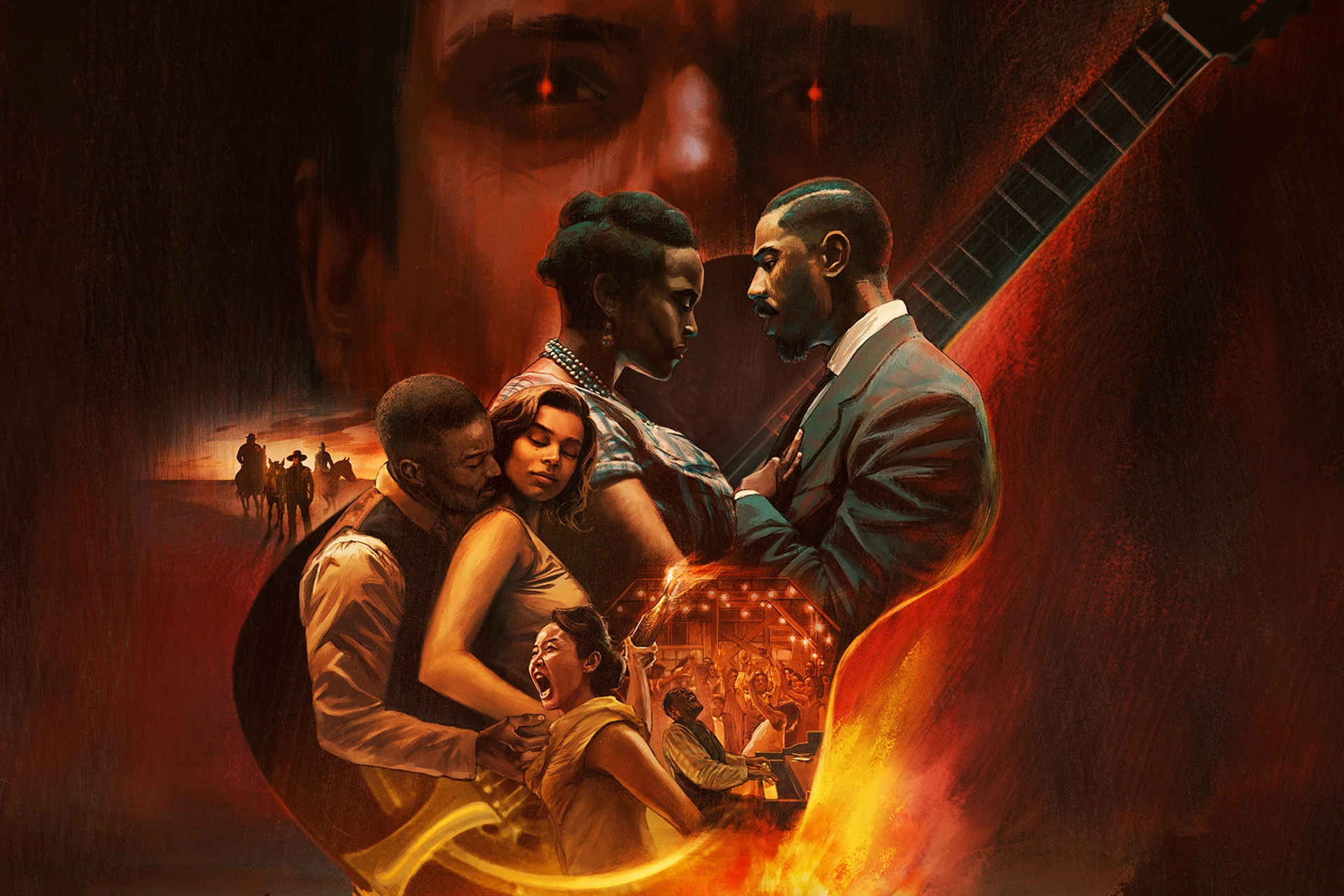
- Sinners (2025)
- Sugar Hill (1974)
- American Horror Story: Coven (2013)
- Spell (2020)
- Candyman (1992)
- Mississippi Damned (2009)
- Beasts of the Southern Wild (2012)
- Daughters of the Dust (1991)
- Lovecraft Country (2020)
Memory Is Its Own Legacy
Juneteenth is often told through dates, proclamations, and milestones. Those stories matter. So do the stories that live between them.
Black Southern Gothic storytelling captures the emotional truths that history books cannot always hold. It gives shape to grief, resilience, faith, family, and survival. It reminds us that memory is not just what happened. It is also about who carries it forward.
That may be why these stories feel especially powerful during Juneteenth. They refuse to separate freedom from remembrance. They understand that liberation is not only an event. It is a legacy.
The best Black Southern Gothic stories do not leave viewers with easy answers. They leave behind questions, echoes, and memories that linger long after the credits roll.
Which Black Southern Gothic story has stayed with you the longest?