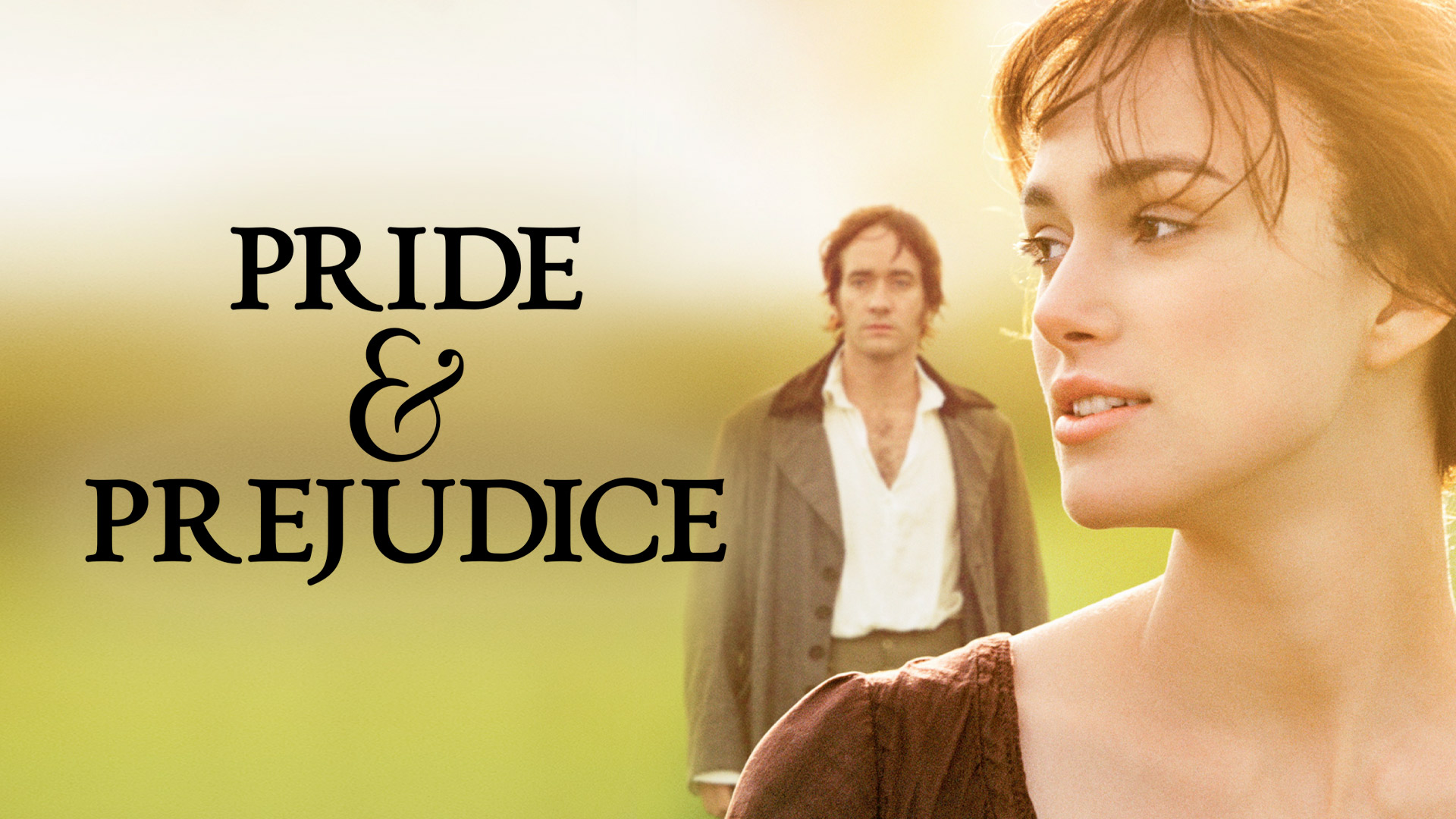
“Pride and Prejudice” thoroughly explores the theme of not using one’s prejudices (preconceived opinions that are not based on reason or actual experience) to determine a person’s character. The main characters use first impressions to not only determine what they think the other is like, but also to form judgments about other individuals who turn out to be not what they thought, in both positive and negative ways. These themes, along with their traits of high pride and stubbornness, restrict characters from pursuing their feelings for each other, leading to the main points in the plot. The story delivers the message of not judging a book by the cover, and for the readers of the time the original book was written (1813), that true love came from the idea of letting go and letting yourself fall deeply, ignoring first impressions and social status.
There’s also the impressions of challenging societal and gender norms; speaking for what you think is right and not doing something because it is required of you because of gender or status – the 2005 adaptation does a good job at representing this through main character Elizabeth, rejecting proposals, or speaking up against those that have wronged her, despite them being above her in society.
The Main Characters of “Pride and Prejudice”:
Mr. Darcy: Mr. Darcy is a man of high status and has pride in his status in society; he initially comes off cold to others, but to the individuals he is already acquainted with, Mr. Darcy turns out to be deeply loyal, kind, and honorable. Throughout the story, Darcy also learns not to judge or disrespect someone based on their social status, as well as to show emotion and devotion when exploring love and his feelings for the main character, Elizabeth.
Elizabeth Bennet: Elizabeth Bennet is the second born daughter of the Bennet family. She is a well-read, outspoken and independent young woman who often contradicts social norms. She plays as the main protagonist and leads the viewers through her sometimes-risky actions and outspoken ideas of love and society. Elizabeth’s character evolves as her relationships with other characters grows, she initially bases her understanding of others on first impressions and outward appearances, stopping her from getting to know others at a more personal level as her stubborn ways permit her from looking past those casted impressions. By the end of “Pride of Prejudice”, she learns to reach out to people’s diffidence, to look beyond the surface and explore traits that others do not openly express.
“Pride and Prejudice” – Book versus Movie:
The plots are similar, however there are some differences in the way the love story and side characters are portrayed.
For example, the Bennet household would have not been as run down and full of farm animals as shown in the movie. In the book, Mr. Bennet was quite well off as he was making around $2,000 a year which today is around $250,000. The household would have been clean, and decorated, and there would have been more staff than shown in the film.
The rain scene between the main characters does not exist in the book and is a much less dramatic moment.
The letters are important in the book as this is how long-distance communication was, but the movie made it into more in-person scenes between characters and or voiceovers sharing characters’ thoughts.
In many instances, period norms and standards were broken; where males and females were alone with no chaperone, females would be alone in society shopping. The men in the movie are also not very well depicted with many misogynistic plot points, compared to the book where the men were mostly respectful and honorable, especially Mr. Collins, whose character was wildly misinterpreted and shown in ugly light.
Overall, the book is very well-rounded between romance, societal norms and expectations, personal and family problems, where the film lost some of those things most likely to develop a romantic story that viewers would be excited about.
Period Correctness:
Set upon the regency era, the 2005 adaptation of the beloved Jane Austen book did a remarkable job of romanticizing life in the 1800s. Although emotionally correct of financial and gender norms, the movie adds more modern appeal through design choices in clothing, social etiquette, and language.
There are many times when the adaptation chooses to go beyond what would be normal for that time. Things like the main characters touching too much, and spending time alone without chaperones. As well as the main character, Elizabeth, her personality is outspoken and would be deemed disrespectful towards upper-class characters if correctly shown.
Costumes drifted between eras, women were rarely dressed to the full extent as they would be really, and custom headwear like bonnets was not shown being worn. We also see women wearing their hair down in public, which was far less socially acceptable during that time period.
Written by Abbi Murphy, Lethbridge Polytechnic